What if you could predict which 30A East rentals will win the booking race before you buy? If you are shopping for a vacation rental, you want clear signals that point to stronger rates, steadier occupancy, and fewer surprises. You also want a simple way to compare homes in Rosemary Beach, Alys Beach, Seacrest, Seagrove, WaterColor, and nearby pockets without getting lost in the details. This guide lays out the factors that move the needle on ROI along 30A East and gives you a practical framework to score properties and plan your operating strategy. Let’s dive in.
What drives demand on 30A East
Beach access and walkability
Being a short, simple walk to the sand is one of the strongest demand drivers. Shorter walking time, fewer street crossings, and direct dune crossovers tend to command higher nightly rates and better occupancy. Deeded or private access through an HOA can be a rental selling point, though it may come with rules you need to confirm.
Village feel and amenities
Towns with pedestrian cores, bike paths, parks, dining, and a strong sense of place attract repeat guests and year‑round interest. The curated town centers of Seaside, Rosemary Beach, and Alys Beach are well known, which helps conversion and supports premium pricing when the beach and walkability boxes are also checked.
Bedroom mix and group capacity
Larger families and multigenerational groups are common along 30A East. Homes with 3 to 6 bedrooms can drive higher total booking revenue. A smart layout with flexible sleeping spaces and adequate bathrooms can outperform a similar bedroom count without those features.
Seasonality and events
Demand peaks from spring break through summer, with June and July often the strongest. Shoulder seasons in late spring and early fall are prime for extended stays, weddings, and festivals, while holidays punctuate the calendar with micro‑peaks. Lining up your pricing and minimum stays with these windows helps you capture rate and occupancy.
Drive markets and reviews
Many visitors drive from major metros like Birmingham, Atlanta, Houston, and New Orleans. That influences weeklong summer bookings and strong spring breaks. Established listings with consistent reviews convert better and support stronger average daily rates over time.
Features that lift your nightly rate
Pool, heat option, and outdoor living
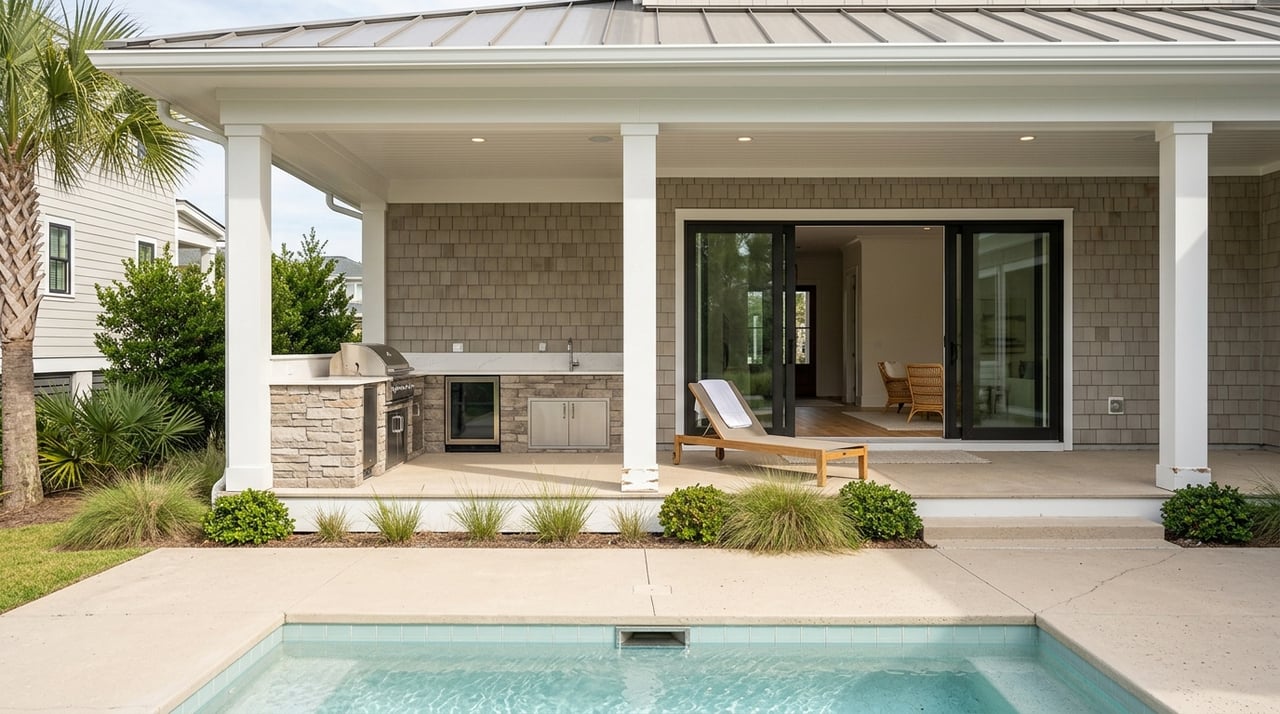
A private pool is a major lever for nightly rates. A heated pool extends shoulder‑season demand when water temps cool. Outdoor showers, covered seating, grills, and tidy landscaping help your photos pop and reduce complaints.
Parking and friction reducers
Onsite parking for multiple cars matters for group bookings. Smart locks, reliable Wi‑Fi, and clear instructions lower friction and improve reviews. Central A/C, quality linens, and well-stocked kitchens are now expected, not a luxury.
Layout and bathrooms
Sleeping flexibility can make a 3‑bedroom feel like a 4‑bedroom to a traveling family. Extra bathrooms and ensuite distribution keep turnovers smoother and guest satisfaction higher, which shows up in review strength and repeat bookings.
Condo, townhome, or single‑family
- Condos offer a lower entry price and shared amenities but come with HOA rules and dues that can cap upside.
- Single‑family homes provide higher rate potential and more control, paired with higher maintenance, insurance, and capital expenditures.
- Townhomes sit in the middle. Watch for vertical layouts and parking constraints that can limit appeal for some guest types.
Pricing and calendar strategy
Peak, shoulder, and off‑season
Plan for the spring‑through‑summer high season, optimize for late spring and early fall shoulder demand, and build a winter strategy that mixes discounted stays with holiday peaks. Exact timing shifts each year, so look at local short‑term rental data and tax receipts when you underwrite.
Dynamic pricing over static rates
Dynamic pricing tied to occupancy forecasts typically outperforms static rate cards. Whether you use a pricing tool or a proactive manager, adjust around local festivals, school breaks, and holiday weeks. Minimum stays of 3 to 7 nights are common in high season to capture weeklong vacations.
Clarity on fees
Be transparent about cleaning fees and taxes. Larger homes need longer cleans and more linen turns; guests will accept higher fees if the home quality matches the price and your listing sets expectations clearly.
ROI math made simple
Core metrics to track
- Gross Rental Revenue = ADR × Occupied Nights
- Occupancy Rate = Occupied Nights / Available Nights
- Net Operating Income (NOI) = Revenue − Operating Expenses
- Cap Rate = NOI / Purchase Price
- Cash‑on‑Cash Return = Annual Cash Flow after Debt / Cash Invested
- RevPAR = ADR × Occupancy Rate
These metrics let you compare different property types on equal footing. RevPAR is especially useful when comparing condos to larger homes on a per‑night basis.
Expenses that shape returns
Build your model with realistic assumptions for:
- Property management fees, typically 20 to 35 percent for full service
- Cleaning and linen turns, which scale with home size
- Utilities, streaming, and internet
- HOA dues and special assessments
- Insurance, including wind or wind‑plus‑hurricane deductibles
- Property taxes and reassessment risk
- Maintenance and long‑term capital items like roofs and HVAC
- Marketing and booking platform costs
Run sensitivity checks
Test your plan against reasonable swings:
- ADR up or down 10 to 20 percent
- Shoulder‑season occupancy improvements
- Insurance increases or HOA assessments
- New rental restrictions or caps
This stress test helps you understand your break‑even points and keeps you from overpaying for a property that looks great only in a best‑case scenario.
Rules, insurance, and risk
HOA and local rules
On 30A, rules vary block by block. Some HOAs set minimum stays, occupancy caps, or require registration and local management. Others limit or prohibit rentals. Always review covenants, conditions and restrictions, plus recent meeting minutes, to confirm what is enforced today.
Taxes and filings
Short‑term rentals usually require collecting and remitting state sales tax and county tourist development tax. The combined rate and process can change, so verify with the Florida Department of Revenue and Walton County before you take bookings.
Insurance and weather exposure
Coastal properties carry higher insurance costs and windstorm risk. Ask for quotes that reflect short‑term rental use, understand deductibles, and check FEMA flood maps to see whether the property is in an X or AE flood zone.
Reputation and liability
Clear house rules, safety features, and fast response to issues protect your reviews and reduce risk. Poor communication, parking conflicts, and noise complaints can undermine your occupancy and operating freedom.
Compare 30A East options quickly
Use a simple scoring rubric to rank properties side by side. Adjust weights based on your goals.
| Factor | Weight |
|---|---|
| Beach access and walkability | 25% |
| Bedroom mix and capacity | 20% |
| On‑site amenities (pool, parking) | 15% |
| HOA and regulatory flexibility | 15% |
| Operating cost profile | 10% |
| Historical demand indicators | 15% |
How to use the rubric
- Score each property 1 to 5 for each factor, using local comparables, HOA documents, and insurance quotes.
- Multiply by the weight and total the score.
- Run your ROI model with conservative assumptions and compare the final scores to your projected cash‑on‑cash returns.
This approach helps you see beyond list price to the variables that actually drive your net.
Due diligence for 30A East
Work from a repeatable checklist so you do not miss critical details.
- Request 12 to 24 months of booking and expense history when available.
- Pull short‑term rental data for ADR, occupancy, and RevPAR in the same micro‑market and property type.
- Review HOA covenants, rental policies, and minutes for current enforcement stance.
- Confirm permitted use with Walton County planning and check for pending ordinance changes.
- Verify flood zone status and obtain insurance quotes, including wind and hurricane deductibles.
- Inspect for near‑term maintenance that can disrupt cash flow.
- Ask a local property manager for a pro forma that includes realistic occupancy, rate assumptions, and all fees.
- Confirm parking capacity and how guests access the nearest dune crossover.
- Read recent guest reviews for recurring issues you can fix quickly.
Micro‑market notes for 30A East buyers
- Rosemary Beach and Alys Beach: Strong brand recognition and walkable town centers support premium pricing when the home aligns with beach access and amenities.
- Seacrest and Seagrove: Popular for groups and families seeking beach proximity with more varied stock. Parking and beach access details can be the swing factor.
- WaterColor and Seaside: Highly recognized communities with pedestrian appeal and curated design. Verify HOA rules and minimum stays early in your process.
You can apply the same rubric to any of these towns. The highest scores usually reflect a short, simple walk to the beach, strong bedroom layouts, and amenity sets that photograph well and live well.
Final thoughts and next steps
On 30A East, ROI is driven by a handful of levers you can measure: beach access and walkability, bedroom mix, amenity set, HOA and regulatory flexibility, and how well you price across seasons and events. When you combine a clear comparison framework with local data and a thoughtful operating plan, you give yourself the best chance to outperform the market while avoiding costly surprises.
If you want a tailored shortlist and a side‑by‑side ROI model for homes in Rosemary Beach, Alys Beach, Seacrest, Seagrove, WaterColor, and nearby pockets, reach out. I can help you verify rules, interpret local trends, and connect you with vetted vendors so you can buy with confidence and launch smoothly. Let’s map your 30A East plan together with Christine Fox.
FAQs
What factors drive short‑term rental ROI on 30A East?
- The biggest levers are beach walkability, bedroom mix for group demand, amenity set (especially pools and parking), HOA flexibility, and smart seasonal pricing.
How do condos compare to single‑family homes for returns?
- Condos offer lower entry cost and simpler upkeep but HOA rules and dues can cap upside; single‑family homes can achieve higher gross revenue with higher insurance and maintenance.
Does being walkable to the beach really pay off?
- Yes; shorter, simpler beach access typically supports higher nightly rates and faster booking velocity, especially for families and older guests.
How should I price across seasons on 30A East?
- Use dynamic pricing, longer minimums in high season, and targeted shoulder‑season strategies around events, holidays, and school breaks to lift occupancy and ADR.
What due diligence should I complete before buying?
- Confirm HOA rules, pull local ADR and occupancy data, review 12–24 months of income and expenses, obtain insurance quotes, check flood zone, and verify beach access and parking.