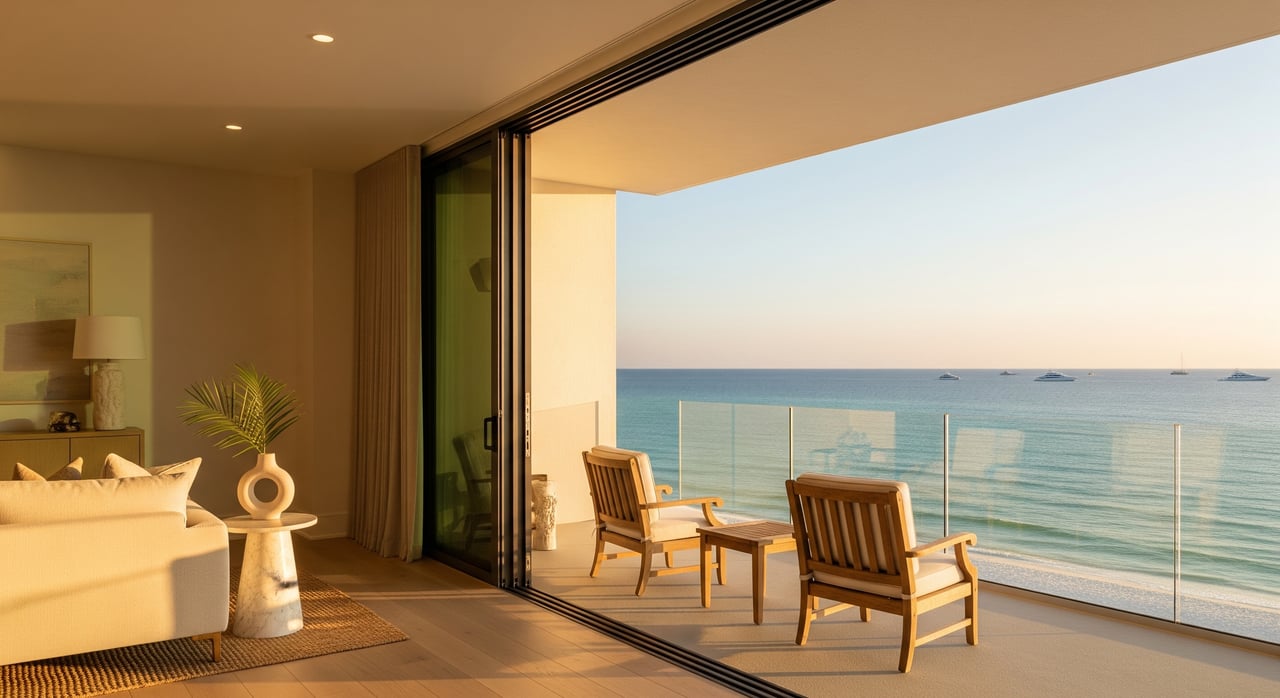
Ever picture your morning coffee with Gulf views and a quick stroll to sugar‑white sand? If you’re considering a second home on Florida’s Emerald Coast, owning a condo in Destin can deliver that easy, beach‑centric rhythm you want without the upkeep of a single‑family home. You also want a clear, honest look at the tradeoffs, costs, and rules so you can decide with confidence. In this guide, you’ll learn what daily life looks like, what you’ll pay each month, how rentals work, and how to prepare for coastal risks. Let’s dive in.
Daily life in a Destin condo
Where you might live
Destin’s condo scene centers on beachfront towers and mid‑rises along Scenic Highway 98 and Gulf Shore Drive, plus harborfront spots near Destin Harbor and Holiday Isle. Many buildings put you steps from the beach, restaurants, and fishing charters. Nearby Miramar Beach and Sandestin offer similar lifestyles but follow their own association and local rules.
Amenities you actually use
You’ll find the greatest hits in most complexes: pool and hot tubs, elevators, fitness rooms, covered or assigned parking, and common grilling areas. Beachfront buildings often provide private walkovers or deeded beach access. Harbor communities may offer boat slips. Guest parking can be tight in peak season, and storage lockers are often limited, so plan for a streamlined setup.
Maintenance and lifestyle tradeoffs
Condo living trims your to‑do list. The association typically handles the building exterior, roof, landscaping, elevators, and common systems. You handle your interior, appliances, and personal property. The benefits are lower day‑to‑day maintenance, amenities, and an easier lock‑and‑leave routine. The tradeoffs are HOA rules, shared walls, less private outdoor space, and common areas that can feel busy in spring and summer.
What ownership really costs
HOA fees explained
Every association is different. In Florida, condo associations operate under the Condominium Act in Chapter 718, which outlines board duties, budgets, reserves, and disclosures. Your monthly fees may cover exterior insurance, building maintenance, landscaping, common utilities, reserves, and on‑site management if provided. Fees vary by age, size, insurance costs, and amenities. Expect fees to change over time, and know that special assessments can happen for big projects like roofing or elevator replacements.
Insurance layers you need
Two policies usually work together. The association carries a master policy for the building’s common elements and the envelope. You carry an HO‑6 policy for your interior finishes, personal property, liability, and loss assessment coverage. Many coastal buildings also sit in mapped flood zones, so lenders often require separate flood insurance. Check your property’s flood zone using the FEMA Flood Map Service Center. Wind and hurricane coverage is a major factor on the coast. Verify deductibles in the master policy, since hurricane deductibles are often percentage based. For context on Florida’s insurance market and options, review resources from Citizens Property Insurance.
Taxes and exemptions
Okaloosa County assesses property taxes based on value and local millage. Florida’s homestead exemption typically applies only to your primary residence, so most second homes and rentals do not qualify. You can explore assessments and exemptions with the Okaloosa County Property Appraiser.
Utilities and monthly bills
Some complexes include water, sewer, and trash in the HOA fee. Electricity is commonly billed to your unit. Internet and cable may be bulk‑billed by the association or in your name. Budget for routine maintenance and set aside a cushion for special assessments and unplanned repairs.
Seasons, rentals, and building rules
Peak vs. quiet months
Destin runs on a seasonal rhythm. Spring break in March and April and the summer months of June through August are the busiest. Elevators, pools, beaches, and parking fill quickly. Early fall and late spring can be lively but more relaxed. Winter is quieter with snowbird visitors and fewer crowds.
Short‑term rentals 101
Vacation rentals are common in Destin, which can help offset costs if your building allows them. Association rules vary widely. Some communities welcome short stays, others set minimum terms or require registration, and some restrict short‑term rentals entirely. Local rules also apply. Review the City of Destin’s municipal code and follow any registration and tax requirements for transient rentals. Start with the City of Destin code library, then confirm current rules with the city directly. If you plan to host visitors, you must collect and remit local tourist taxes. The Okaloosa County Tax Collector outlines tourist development tax obligations for short‑term rentals.
Financing realities for condos
Lenders look closely at a condo building’s finances, insurance, reserves, and any litigation. Project approvals can affect FHA and VA options. Many vacation‑area condos are financed with conventional loans or purchased in cash. To understand which projects are FHA eligible, review HUD’s condominium approval resources and speak with a lender who knows Florida coastal condos.
Coastal risks and readiness
Hurricanes and wind
Hurricane season runs from June 1 to November 30, with a typical peak in August and September. Ask your association for its emergency plan, including communications, elevator procedures, shutter or impact glass policies, and reentry steps after a storm. The National Hurricane Center’s preparedness guidance is a helpful checklist for building your personal plan.
Flooding, erosion, and sea‑level rise
FEMA’s Flood Insurance Rate Maps classify zones like AE and VE that influence flood risk and premiums. Beachfront buildings on low dunes or in coastal velocity zones face higher exposure. You can explore long‑term coastal trends with the NOAA Sea Level Rise Viewer. Local beach renourishment programs sometimes help manage erosion, but timing and funding vary.
What to verify in insurance
Confirm the scope of your association’s master policy. Some policies are “walls‑in” while others are more limited. Ask about wind and hurricane deductibles and how any deductible amounts are allocated. Your HO‑6 policy should cover interior improvements, personal property, liability, loss of use, and loss assessment. If market conditions change, consult carriers or resources like Citizens Property Insurance to understand availability and pricing.
Your due diligence checklist
Before you write an offer, gather documentation and answers. These items will help you compare buildings and avoid surprises:
- Governing documents: declaration, bylaws, articles, and rules.
- Budget, most recent financials, and reserve study or reserve balance.
- HOA meeting minutes for the past 12 to 24 months to spot recurring issues or planned assessments.
- Master insurance certificate with coverage types, limits, and hurricane deductibles.
- Litigation disclosure for the association and developer if applicable.
- Rental policy and any local registration requirements related to short‑term rentals.
- Estoppel or resale certificate and statutory disclosures under Florida’s Condominium Act.
- Recent and upcoming capital projects, such as roofing, painting, parking structures, and elevators.
For the physical property, prioritize:
- Building envelope and roof condition, balcony and railing safety reports.
- Elevator age and service records, parking structure condition, and pool/mechanical systems.
- Inside the unit: HVAC and plumbing age, appliance condition, and any signs of past water intrusion or mold.
Smart questions to ask
- How are reserves funded and what percent of the budget goes to reserves?
- Have HOA fees increased recently and why?
- What special assessments have been levied in the past 5 years and what projects are planned next?
- What is the occupancy mix of owners and rentals? How does that affect insurance and financing?
- Are there any rental management requirements or restrictions for owners?
- What is the policy for guest parking, wristbands, and beach access during peak season?
Is a Destin condo right for you?
If you want beach time over yard work, a secure place to lock up and leave, and a shot at rental income if allowed, a Destin condo can be an excellent fit. If you prefer total control over rules, wide private outdoor space, and zero shared walls, a single‑family home might suit you better. The right answer comes from honest math and a clear read on how you plan to use the property.
When you’re ready to compare buildings, review budgets, and plan showings that fit your lifestyle, reach out to Christine Fox for local guidance tailored to the Destin and 30A condo market.
FAQs
Do Destin condo owners need flood insurance?
- If your building sits in a mapped flood zone or your lender requires it, you will likely need a separate flood policy. Confirm your zone on the FEMA Flood Map Service Center.
How high are HOA fees for Destin condos?
- Fees vary by building age, amenities, and insurance costs. Review the current budget and reserves to understand what is covered and whether special assessments are likely.
Can I legally operate a short‑term rental in Destin?
- It depends on your HOA rules and city requirements. Check your association’s rental policy and review the City of Destin code, then follow local registration and tax steps.
How is hurricane damage handled between HOA and owners?
- The master policy covers the building’s common elements as defined in the policy. Owners may be responsible for interiors and a share of deductibles. Verify coverage and deductibles in the master policy and your HO‑6.
Is financing harder for vacation‑area condos near the beach?
- Lenders scrutinize association finances, reserves, insurance, litigation, and occupancy mix. FHA and VA loans require project approval. See HUD’s condo approval guidance and talk with a condo‑savvy lender.
What are parking and beach access like in peak season?
- Expect higher demand during spring and summer. Confirm your assigned spaces, guest parking rules, wristband policies, and the capacity of beach walkovers before you buy.