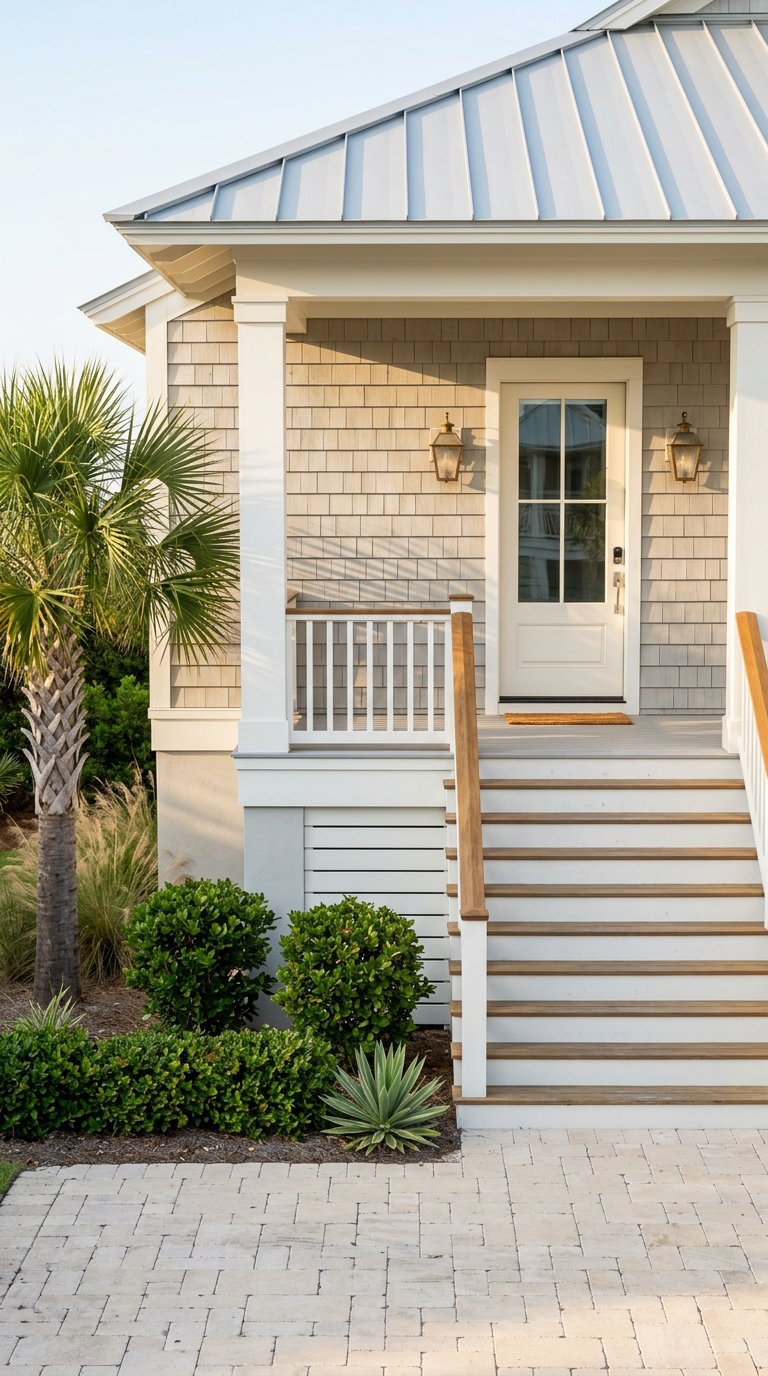
Dreaming of a beach retreat you can enjoy on long weekends and rent when you are away? Destin offers sugar-white sand, a strong vacation market, and a buying process that works well for out-of-state owners. If you are weighing condo vs house, personal use vs rental, and how to navigate local rules, you are in the right place. In this guide, you will learn how Destin’s market works, what it really costs, the rules for short-term rentals, and a clear step-by-step path to closing from anywhere. Let’s dive in.
Why Destin works for a second home
Destin is a resort city with values that vary widely by neighborhood and building. Gulf-front condos and townhomes tend to command higher prices and fees, while inland single-family homes can offer more space and lower carrying costs. The market is seasonal and tourism driven, so pricing and days on market often move with visitor cycles.
If you plan to rent, Destin’s short-term rental demand is a key plus. Recent analytics show annual occupancy often in the high 60 percent range for well-situated properties, with average daily rates in the several-hundreds depending on location and amenities. You can use third-party dashboards to estimate revenue for a specific address, and you should expect performance to vary by building, floor, view, and walkability. For a market snapshot of occupancy and ADR, review the latest STR analytics for Destin from sources like Airbtics’ Destin overview.
Map your use plan first
Your intended use drives nearly every decision you will make.
- Personal retreat only: Optimize for lifestyle, views, and low maintenance. Insurance and HOA health still matter.
- Hybrid use: Balance your personal calendar with targeted peak-season renting. Confirm you can legally rent short term and that the HOA allows it.
- Rental-first: Treat the home like a hospitality business. You will need permits, tax registrations, strong cleaning and maintenance, and reliable revenue estimates.
If you expect short-term rentals, review the City of Destin’s requirements for registration, zoning, occupancy, and standards. Start with the City of Destin short-term rental page.
Condo vs single-family: a quick checklist
Choosing the right property type sets up smoother ownership.
Maintenance and convenience
- Condos: Association handles exterior, grounds, and many building systems. Expect monthly dues and potential special assessments.
- Single-family: More control and privacy, but you handle all upkeep and vendor coordination.
Rental flexibility and rules
- Condos: Policies vary by building. Some restrict minimum stays, guest counts, or require rental pools. Confirm written rules, past assessments, and whether the project is eligible for conventional financing.
- Single-family: Often more flexible, but you must confirm zoning, city registration, and parking/occupancy standards.
Insurance and exposure
- Gulf-front properties usually carry higher wind and flood risk. Inland homes may have lower premiums, but always verify flood zone and wind coverage needs.
Neighborhood quick tour
Every micro-market performs differently. Here is a plain-English orientation you can use to narrow your search:
- Crystal Beach, Holiday Isle, and Okaloosa Island: Coastal condo and townhome hubs with strong vacation demand. Expect higher HOA dues in buildings that carry robust insurance and amenities.
- Destin Harbor and HarborWalk Village: Smaller homes and condos near boating and dining. Popular for short trips and event-driven stays.
- Indian Bayou and inland areas: Primarily residential, single-family neighborhoods. Nightly rates tend to be lower than gulf-front, but you may find steadier occupancy if you pivot to longer leases between peak seasons.
Know the rules and taxes for STRs
If you will rent for fewer than six months at a time, plan these steps into your budget and timeline.
Registration and zoning: Destin requires short-term rental registration for qualifying properties and enforces standards for occupancy, parking, noise, and trash. Review zoning eligibility and application steps on the City of Destin STR page.
Tourist Development Tax: Okaloosa County levies a 6 percent Tourist Development Tax on short-term rentals in addition to state and local sales tax. See the official ordinance establishing the 6 percent rate effective March 1, 2025 in Okaloosa County’s ordinance document. For registration and remittance guidance, read the county’s Tourist Development Tax FAQ.
Property tax: Budget annual ad valorem taxes using the county’s published millage schedule. Homestead exemptions do not apply to second homes or rentals. Review the latest Destin and county millage rates in the Okaloosa County Property Appraiser’s millage schedule.
Enforcement and liens: The city has increased code enforcement for noncompliant rentals. Title companies check for outstanding liens during closing, but you should also confirm a property’s status before you make an offer. Local reporting highlights rising enforcement activity and fee structures, such as the changes summarized in this Destin STR enforcement update.
Budget the true cost of ownership
Create a simple worksheet you can update as you refine your search.
- Mortgage payment and lender reserves for a second home
- Property tax based on current millage
- Homeowner insurance and separate wind coverage if required
- Flood insurance if in a Special Flood Hazard Area
- HOA dues and special assessment history (condos and some HOAs)
- Utilities, internet, and routine maintenance
- Reserve fund for coastal wear, roof, HVAC, appliances, and corrosion
- Cleaning, linens, and turnover supplies if you will rent
- Marketing, platform fees, and property management if you outsource
- State sales tax, local discretionary surtax, and the 6 percent TDT on short stays
A realistic budget will help you balance personal use with rental goals and avoid surprises in year one.
Insurance and flood: what to check
Coastal homes require careful insurance planning.
Flood risk: Use the FEMA Flood Map Service Center to check whether a property lies in a Special Flood Hazard Area. If you finance and the home is in an SFHA, the lender will require flood insurance. Ask for an Elevation Certificate early if needed.
Wind and homeowner insurance: Florida insurers often give credits for wind mitigation features, and premiums can vary widely by elevation, construction, and distance from the water. Review consumer guidance on mitigation and premium savings from the Florida Office of Insurance Regulation.
Financing a second home
Lenders treat second homes differently than primary residences. Expect tighter underwriting, reserve requirements, and higher down payments. Typical guidance for conventional financing is often in the 10 to 20 percent down range, subject to your credit, debt-to-income ratio, and program rules. For a plain-language overview of how second-home loans work, review this second-home mortgage guide.
If you are paying cash, you will likely have a faster timeline, but you should still complete full inspections, title review, and HOA diligence before you remove contingencies.
Your step-by-step timeline
Here is a realistic path for out-of-state buyers. Actual timing depends on inventory, underwriting, and HOA/title review.
Clarify goals and get preapproved, 1 to 2 weeks
- Decide on personal use vs rental mix. Gather documentation for a second-home preapproval or confirm cash.
Hire a local agent and start remote touring, 2 to 8 weeks
- Use virtual tours, recorded walk-throughs, and live video showings. Ask for rental revenue comps in addition to sales comps, plus HOA documents and assessment history.
Offer and negotiation, 1 to 2 weeks
- Include inspection and title contingencies. If you plan to rent, confirm the property’s STR status and any transfer requirements in writing.
Inspections, title, and underwriting, 2 to 4 weeks
- Order general and coastal-specific inspections, check flood zone status, and review HOA financials, rules, litigation, and insurance certificates. Your title company will search for liens and verify condo/HOA estoppels where applicable.
Closing and remote options
- Financed deals often close in 30 to 45 days from contract acceptance. Cash can close in 7 to 21 days if title and HOA items are clean.
- Florida allows Remote Online Notarization, which lets many buyers close without traveling. Review the statute that enables RON and remote witnessing on the Florida Senate site.
Due diligence checklist before you remove contingencies
Use this punch list to protect your investment.
- Full home inspection plus roof, HVAC, moisture intrusion, corrosion, and WDO/termite checks
- FEMA flood map review and, if needed, an Elevation Certificate
- Complete HOA packet: financials, reserve study, meeting minutes, insurance, rental rules, and any pending or recent assessments
- Written confirmation of STR eligibility and registration path with the City of Destin
- Title search, payoff and lien review, including any municipal code enforcement liens
If you plan to rent after closing
Set up your operations before peak season.
- Register for state sales tax and Okaloosa County’s Tourist Development Tax. The county TDT is 6 percent and is collected in addition to sales tax on short stays. Use the county’s TDT FAQ for account setup and remittance steps.
- Complete the City of Destin STR registration and post any required permit or business tax numbers in your listings. Start at the City’s STR information page.
- Decide whether you will self-manage or hire a local manager. If you outsource, confirm fees, marketing channels, cleaning standards, and 24/7 guest response.
- Build a calendar for owner stays and pricing strategy for peak, shoulder, and off-season.
Ready to explore Destin second homes?
Buying a second home here should feel exciting and well organized. With clear goals, the right property type, and a step-by-step plan, you can enjoy your place and keep your numbers on track. If you want local guidance on neighborhoods, STR rules, virtual touring, and a smooth remote closing, connect with Christine Fox to start your Destin search.
FAQs
What taxes apply to short-term rentals in Destin?
- For rentals of six months or less, you collect Florida sales tax plus any local discretionary surtax and Okaloosa County’s 6 percent Tourist Development Tax, then remit as directed by the county’s TDT program.
How long does an out-of-state closing take in Destin?
- Financed purchases often take 30 to 45 days from contract to close, while cash buyers can close in 7 to 21 days if title and HOA items are clear; Florida also permits Remote Online Notarization for many closings.
Is flood insurance required for Destin beach properties?
- If the home lies in a FEMA Special Flood Hazard Area and you finance with a federally related loan, your lender will require flood insurance; check any address using the FEMA Flood Map Service Center.
Which is better for rentals in Destin, a condo or a house?
- Condos offer convenience and on-site amenities but may have stricter rental policies and higher dues, while single-family homes provide more control with potentially more maintenance and different zoning or parking standards.
What down payment do lenders typically require for a second home?
- Conventional programs often call for 10 to 20 percent down, with stronger reserves and tighter underwriting than a primary residence; confirm details with your lender.
How strong is Destin’s short-term rental demand right now?
- Recent dashboards report annual occupancy in the high 60 percent range for well-located properties, with ADRs in the several-hundreds depending on building, view, and season; see Airbtics’ Destin overview for context.
How do I verify a property’s STR compliance and any liens before I buy?
- Confirm zoning and registration requirements on the City of Destin STR page and have your title company check for municipal code enforcement liens; local reporting also notes stepped-up enforcement activity and fee tiers for STRs.